

Many of my little patients can be resistant to trying new foods. Fussiness in children can be quite normal, and sometimes it can take up to 20 times of seeing a new food for a child to try it, and then even longer before their taste buds can appreciate, or even tolerate it.
Could It Be a Nutritional Deficiency?
Sometimes fussy eating is caused by nutritional deficiencies, such as zinc, which is involved in many stages of the digestive process, including the ability to taste food normally – and iron deficiency, which will usually be accompanied by unusual cravings such as wanting to eat ice or sand, or loving the smell of nail polish or petrol.
In these cases, a multivitamin is warranted, and can make the world of difference if you persist with supplementation for at least a few months. Another tip for reversing iron deficiency is purchasing an iron fish and cooking meals with it.
Purchasing a multivitamin also gives you peace of mind that your child is getting all of the vitamins and minerals they require for normal growth and development, while you address the underlying cause of their fussiness.
Apart from the nutritional considerations, there are a number of behavioural strategies that you can be tackle over time to help increase your child’s dietary variety and willingness to try new food. Systematically work your way through this list until you find the combination of strategies that work for your little one.
Creative Food Play Ideas
- Get your child to help tend to a pot plant with a fruit or veg they wont usually eat
- Get your child to help you with the fruit and veg shopping – get them to physically touch the foods they wont eat
- Visit an orchard or go strawberry picking as a fun outing
- Get your child to prepare a fruit or veggie snack for a sibling or for you so they cut the fruits/veg up into bite sized pieces and has to handle fruits they wont usually eat
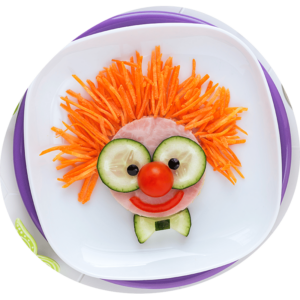
- Create artistic masterpieces using fruits and veg i.e. potato painting, zucchini noodles as hair on a picture he has drawn, olive or carrot eyes
- Teach your child about the doctrine of signatures where fruits and vegetables look like the organs they help i.e. carrots look like eyes and they help with eyesight, tomatos look like the heart and improve heart function, celery looks like bones and are full of phosphorous for bone health, walnuts look like the brain and are full of omega 3 fats which help your brain function optimally, sweet potato look like the pancreas and are good for controlling blood sugar, ginger is the shape of the stomach and aids digestions, mushrooms look like ears and a folk remedy for ear ache is mushroom, grapes look like lungs and are full of antioxidants which improve lung function
- Play shopping games where they are the supermarket attendant and you are buying fruits and vegetables and foods they dont usually like.
- Draw fruits, vegetables and foods – look for colouring in books which have healthy foods to colour.

More difficult things to try once you have mastered the above:
1. Limit packaged foods
Processed foods contain ingredients such as the perfect balance of sugar, salt and fat – which food manufacturers call the “bliss point” which makes processed foods highly addictive. They are highly palatable, and therefore make it difficult for your child to appreciate the subtler flavours of vegetables. If your child is already used to eating these highly palatable foods, it will take some time to get their palate attuned to milder flavours, but rest assured that with persistence it will happen.
2. Lead by example
Model healthy eating as this can make a difference over time. Research shows that up to 70% of our fussy child’s eating behaviours comes from them mimicking a parent or loved one. This can be mum or dad, or can in some cases be a sibling, which can make it challenging. Keep offering healthy food options and modelling healthy eating behaviours.
3. Persistence!
This is key! As kids can resist change and not love new foods, it is important that we as parents persist with as little drama as possible. Try not to turn food into a battle ground as no one wins in this scenario, and it can become a power play. Keep offering healthy family foods (try not to make different meals for everyone as this makes meal times much less enjoyable for the person preparing the meals) and if they don’t eat it, pack it away without drama and at their next meal, offer the next family meal. Hunger is the biggest driver of children trying new foods. Your child wont starve by missing a meal, but they can get malnourished if all they want to eat is white pasta with butter and we allow it for long periods of time. Malnourishment then creates a vicious cycle of nutritional deficiencies, which compound the fussy eating. Persistence pays off, but can take YEARS of you, the parent sticking to your guns. Keep at it.
4. Limit snacking between meals
Kids can easily fill up on snack foods, then not be hungry enough to eat proper family meals which are the main opportunities they have to eat healthy foods. Even too much fruit or cheese and crackers between meals can become an issue. Alternatively, if your child is a grazer, ensure they are snacking on healthy snacks such as hummus or guacamole and veggie sticks or a boiled egg or a small tin of tuna with some cut up tomato and cucumber. If they say no to these types of foods as their snacks, are they really hungry, or is it in fact a craving? Cravings are commonly caused by various nutritional deficiencies or can be emotional eating. A multivitamin can help with both of these considerations.
5. Eat meals as a family at set times
This will train them to get hungry and expect food at certain times. It also allows them to see you modelling healthy eating, and over the years, it can lead to enjoyable family bonding time. Minimise distractions at the table – no TV or devices as these encourage mindless eating, rather than mindful eating practices. TV can also be a source of fast food advertising, which will make your job more difficult. Also, if your child finishes their meal quickly, or won’t eat, encourage them to sit with the family at the designated meal time so they benefit from the modelling of the rest of the family enjoying a healthy meal. Try to do this without drama.
6. Set a time limit on a meal
When the family have finished, give your fussy eater the 5 minute warning, then pack the meal away without fuss.
7. Try not to use junk food as a reward
This reinforces comfort eating later in life.
8. Don’t force your kids to eat if they’re not hungry
Allow them to control how much they eat. Serve smaller portions if necessary. If they have absolutely no appetite, this is a sign of zinc or digestive enzyme deficiency, which will need an active intervention such as supplementation.
9. Serve a very small amount of new foods alongside favourite foods
Discuss the health benefits associated with certain foods, such as this food makes your muscles grow which will help you be strong at your martial arts classes. Also, don’t overwhelm with choice. Only serve a couple of options at a time, and only one new food at a time. Praise them for trying new foods. You may decide to start a sticker chart or reward system for when they try or eat their vegetables. Just ensure the rewards are non-food items.
10. Serve new foods early in the meal
This is when they will be more likely to try it, when they are hungry.
11. Try foods they don’t like in different ways
Personal preference may mean you enjoy broccoli served in a different way.
12. Get creative
Make meals look appealing. Here are some great ideas on how to do this:
- cut food into shapes with cookie cutters
- serve veggies with dips or sauces they may like or hide vegetables in sauces
- blend vegetables into bolognaise sauce
- add mild green leafy vegetables into tasty smoothies
- bake zucchini into bread
- bake sweet potato into cakes
- add pumpkin into pancakes
- add carrots in muffins
- cauliflower hides well in white sauce or hash browns
- make oven baked chips alongside sweet potato or parsnip chips
- serve zucchini, carrot or sweet potato noodles mixed in with long pasta and call it rainbow pasta.
There are many ways to get your kids to eat hidden vegetables and a great book called Veggie Smugglers with lots of creative recipes if you need inspiration.
13. Try a game
Ask them if they can hold the new food in their mouth or lips for 5 seconds as a game with no expectation of trying the food.
Try not to stress too much about it. If your child is growing, gaining weight appropriately and is healthy, they may actually be getting adequate nutrition for their needs.
Share this Blog
If you enjoyed this article share it across your socials








LED Light Mask Perth
Transform your skin in just 10 - 20 minutes per day using this multi use, flexible medical grade silicone LED face mask for a fraction of the price of other brand name masks on the market. I have Mask available now in my Perth Clinic